The Importance of Updating and Rewiring Your House in Ireland

Should I rewire my house in 2026 and what are the benefits?

The Importance of Updating and Rewiring Your House in Ireland

The electrical system is one of the most important parts of any home, yet it is often overlooked until a problem occurs. Across Ireland, many houses—particularly older properties—still contain electrical wiring and equipment that may no longer be suitable for the demands of a modern household. Updating or completely rewiring your home can significantly improve electrical safety, reliability, energy efficiency and future readiness.

Older homes were generally wired at a time when households used far fewer electrical appliances. Today, a typical Irish home may have multiple televisions, computers, kitchen appliances, electric showers, home-office equipment and smart devices. In addition, more homeowners are installing high-demand technologies such as heat pumps, EV chargers, solar PV systems and battery storage. An outdated electrical installation may not have been designed to safely accommodate these additional loads.

A professional house rewire involves much more than simply replacing old cables. Depending on the property, the work can include upgrading circuits, sockets, switches, protective devices, earthing and bonding arrangements, and the distribution board. It also provides an opportunity to redesign the electrical installation around how the home is actually used today.

5 Benefits of Rewiring Your Home in 2026

  • Improved Electrical Safety: Old, damaged or deteriorating wiring can increase the risk of electrical faults, electric shock and fire. Rewiring allows outdated components to be replaced and the installation to be brought up to an appropriate modern safety standard.
  • More Sockets and Better Circuit Design: Older houses often have too few sockets, leading homeowners to rely heavily on extension leads and multi-plug adapters. A rewire allows additional sockets and dedicated circuits to be installed in practical locations throughout the property.
  • Future-Proofing Your Property: A modern electrical installation can be designed with future technologies in mind, including electric vehicle charging points, solar panels, battery storage, heat pumps, smart-home systems and other electrical upgrades.
  • Greater Reliability: Flickering lights, frequently tripping circuits, damaged sockets and other electrical problems can sometimes indicate an ageing or unsuitable installation. Upgrading the wiring can provide a more dependable electrical system capable of meeting modern household demands.
  • Added Value and Peace of Mind: A professionally upgraded electrical installation can be an attractive feature when selling or renovating a property. Buyers may be more confident knowing that major electrical upgrading work has already been completed by a suitably qualified electrical contractor.

When Should You Consider a House Rewire?

There is no single age at which every property automatically requires rewiring. The condition and suitability of the installation should be assessed rather than relying on age alone. However, if you are purchasing an older property, carrying out a major renovation or experiencing recurring electrical problems, having the electrical installation inspected is particularly important.

Signs such as damaged accessories, burning smells, overheating sockets, unexplained tripping or obviously outdated electrical equipment should never be ignored.

For homeowners in Ireland, electrical work should be carried out by an appropriately qualified and registered electrical contractor where required. A professional assessment can determine whether your property needs a complete rewire or whether targeted upgrades may be sufficient.

Updating your home’s electrical system is ultimately an investment in safety, reliability and the future of your property. With our dependence on electricity continuing to grow, ensuring your home has a modern electrical installation can help prepare it for the technologies and energy requirements of the years ahead.
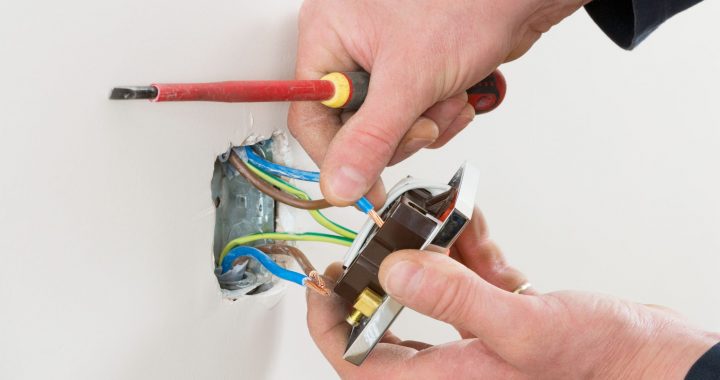
House-rewire-service-dublin

Future-Proofing Your New Electrical Installation for EV Charging, Solar Panels and Heat Pumps in 2026

As homes and businesses in Ireland transition toward cleaner, smarter energy, future-proofing a new electrical installation is no longer a luxury—it’s a necessity. With electric vehicle (EV) charging points, solar panels, and heat pumps becoming mainstream, designing your electrical system with these technologies in mind can save significant time, money, and disruption later.

One of the most important considerations is **capacity**. Traditional electrical installations were not designed for the increased loads created by EV chargers and heat pumps. When installing a new consumer unit or distribution board, it’s essential to allow for higher current demand and spare capacity. This may include upgrading the incoming supply, fitting larger cables, and ensuring sufficient space for additional circuit breakers and protection devices.

**EV charging points** typically require dedicated circuits and, in many cases, load-management systems to prevent overloading the supply. Future-proofing means installing suitable cabling routes, spare ways in the consumer unit, and considering smart chargers that can integrate with solar generation and time-of-use tariffs.

For **solar panels**, planning ahead involves more than just roof space. Your electrical installation should accommodate an inverter, generation meter, export meter, and potentially a battery storage system. Leaving space near the consumer unit, installing appropriately rated isolators, and allowing for future battery connections can make later upgrades straightforward and cost-effective.

**Heat pumps**, whether air-source or ground-source, also place additional demands on the electrical system. They often require dedicated supplies, external isolators, and sometimes three-phase power for larger properties. Ensuring your installation can support these requirements avoids expensive retrofits when switching from gas or oil heating in the future.

Another key element is **smart energy management**. Modern electrical installations can integrate smart meters, energy monitoring, and home energy management systems that balance demand between EV charging, heat pumps, and household use—maximising efficiency and reducing costs.

Finally, always work with a qualified electrician who understands current regulations and emerging technologies. A well-designed, future-proof electrical installation not only supports today’s needs but also protects your investment, increases property value, and ensures your home or business is ready for the low-carbon future.

House rewire Dublin| 5 Star rated on Google

How to Choose the Best and Most Qualified Electrician for Your House Rewire Project

Rewiring a house is a major investment that directly impacts safety, efficiency, and long-term property value. Choosing the right electrician for this project is critical. Here are key steps to ensure you hire the most qualified professional.

Check Credentials and Licensing

The first step is confirming the electrician is fully licensed and insured. A license demonstrates they have the necessary training, while insurance protects you in case of accidents or property damage. Ask to see proof of both before committing.

Look for Experience in Rewiring

Not all electricians specialize in the same work. Rewiring an entire house requires knowledge of current codes, load requirements, and safe installation practices. Seek an electrician who has completed multiple whole-house rewires, not just small repairs.

Ask for References and Reviews

Reputable electricians should provide references from past clients. Speaking with homeowners who had similar projects done can give insight into reliability, professionalism, and quality of work. Online reviews and ratings also help identify consistent strengths—or red flags.

Get Multiple Quotes

Cost should never be the only factor, but getting at least three detailed quotes helps you compare both price and scope. Be wary of unusually low bids, which may signal cutting corners or using substandard materials.

Evaluate Communication and Professionalism

A good electrician explains the process clearly, outlines timelines, and answers questions patiently. Strong communication ensures you understand what will happen and reduces the risk of surprises during the project.

Check Warranties and Aftercare

Finally, ask about warranties on labor and materials. A qualified electrician stands behind their work, providing peace of mind long after the job is complete.

By verifying qualifications, comparing quotes, and assessing professionalism, you’ll be better equipped to choose a skilled electrician who ensures your house rewire is safe, compliant, and built to last.

rewiring-a-house-checklist-2025

House rewire checklist 2026 – what you need to know

Before you consider a rewire for your property, it is important to carefully consider all elements of the project to ensure a smooth work flow and timely project completion. Based on our years of experience in delivering hundreds of rewires across all types of properties, we have prepared the following checklist to assist you below.

Does my house need a rewire?

This is the first question to answer and may not be immediately apparent on first look at the property. Generally speaking, if the property is over 20 years old or has an old style porcelain fuse board (with screw in fuses), the house will need a complete rewire and you can forgo the cost and processes of getting a periodical inspection report for the property.

Arranging a periodical inspection report for your property

A periodical inspection report is essentially an installation health check of your property designed to identify any faults or issues with the installation. The report is graded as “Requires urgent attention”, “Requires improvement”, “Requires some improvement” and “Does not comply with the current National Rules for Electrical Installations”. In rare cases, the electrician may issue a Notice of Potential Hazard (NoHz) to the person responsible for the electrical installation and Safe Electric for immediate action and redress. More information on what is involved with a periodical inspection report can be found on Safe Electrics website here

Alternative accommodation

Due to the nature of a house rewire, a property cannot be occupied or accessed during the process due to Health & Safety regulations and the fact that your property would be classed as a live building site with floor boards removed and sockets and wires exposed and not made safe yet. It is important to have alternative accommodation available for you and your family for the duration of the rewire project.

Decide on what elements of an installation you want to include prior to the rewire commencing

Numbers of sockets, switches, dimmer switches and fused spurs are the initial considerations prior to commencing the project. Other elements to consider include future additions such as an EV charger, solar panels, new kitchen, new shower/bathroom or property extension. By planning for these future additions, you can ensure that all the wiring, structure and feeds are installed and ready and connected to the fuse board, rather than having to begin the process of running new cables to facilitate the new elements within the property.

Preparing your property for the rewire

Rewiring a house can be a dusty business. Sockets, channels and feeds will need to be cut to facilitate the installation. Ordinarily, it will not be necessary to remove the full contents of a house to allow access to the walls and floorboards etc. However, your electrician will usually advise the areas that items will need to be removed from prior to work commencing. Dust sheets will be needed to protect furniture and decorative items. In some cases, kitchen cabinets and presses will need to be removed along with carpet/laminate flooring prior to project commencement. Kitchen tiles currently in situ will also have to be removed to allow the fitting of cables so it is a good idea to postpone fitting a new kitchen prior to your rewire project. As mentioned in the next paragraph, putting contractors in touch with each other prior to work commencing allows job requirements and fixture and fitting positions to be discussed to ensure no nasty surprises afterwards.

Arrange for additional services to be scheduled at the same time

In order to ensure a smooth project work flow, it is important to connect all tradespeople who may be doing development work around the same time period. Constant communication between your bathroom installer, kitchen installer, plasterer etc can ensure there are no mistakes or issues between scheduled works.

Arrange for an on site meeting with your installer after the “first fix” has been completed

Meeting your installer after the first fix (the initial preparatory work prior to the actual installation) has been completed is always a good idea. It allows you to ensure that all project specs have been followed and to double check that all the positions of the fixtures and fittings are indeed correct prior to the second fix commencing (the actual installation)

Rewiring a house can seem like a daunting task. However, by choosing a reputable rewire company, doing your due diligence and following a careful project checklist, you can ensure a headache free experience and be back in your house in no time.

House Rewire company Dublin

Upgrade to Safety: 5 Compelling Reasons to Rewire Your House in 2026

Title: Upgrade to Safety: 5 Compelling Reasons to Rewire Your House in 2025

In the fast-paced world of technological advancements, the infrastructure of our homes often takes a back seat. One crucial aspect that should not be overlooked, however, is the electrical wiring that powers our daily lives. As we usher in 2025, it’s time to consider rewiring your house for a multitude of reasons that go beyond mere convenience.

1. **Enhanced Safety Measures:**

With the ever-growing array of electronic devices and appliances in modern homes, outdated wiring can pose serious safety risks. Old, frayed wires or overloaded circuits can lead to electrical fires, putting your property and loved ones in harm’s way. By rewiring your house, you invest in state-of-the-art safety measures, reducing the chances of electrical accidents and providing peace of mind.

2. **Adaptability to Smart Home Technology:**

The rise of smart home technology has transformed the way we live, offering convenience and efficiency. However, many older homes lack the necessary wiring infrastructure to support these advanced systems. Rewiring your house in 2025 allows you to seamlessly integrate smart devices, from smart thermostats and lighting controls to security systems, creating a connected and efficient living space.

3. **Increased Energy Efficiency:**

Outdated electrical systems are often less energy-efficient, resulting in higher utility bills and unnecessary environmental impact. Modern rewiring solutions incorporate energy-efficient materials and technologies, such as LED lighting and smart thermostats, helping you reduce your carbon footprint and save money on energy costs over time.

4. **Compliance with Electrical Codes:**

Building codes and electrical standards evolve over time to address safety concerns and accommodate technological advancements. If your home’s wiring hasn’t been updated in a while, it might not meet the current electrical codes. Rewiring ensures that your home complies with the latest regulations, making it safer and potentially increasing its resale value.

5. **Preventive Maintenance for Aging Homes:**

Homes, like any other structures, age over time. The wiring installed decades ago may now be showing signs of wear and tear. Regular maintenance is essential to prevent electrical issues from escalating. Rewiring your house in 2025 is a proactive measure that not only addresses existing concerns but also future-proofs your home against potential electrical hazards.

In conclusion, rewiring your house in 2025 is a prudent investment in the safety, efficiency, and adaptability of your home. By embracing modern electrical solutions, you not only enhance the overall functionality of your living space but also contribute to a sustainable and technologically advanced future. Don’t let outdated wiring hold you back; make the decision to upgrade and enjoy the benefits of a safer and smarter home.

Should I rewire my house in 2025 and what are the associated benefits?

Safe electrical wiring is crucial in ensuring the safety and functionality of your home. It is the backbone of all electrical systems in your house and plays a vital role in determining the overall safety of your living environment. A house rewire is the process of replacing or upgrading the existing electrical wiring in your home to ensure it is up to code and meets current safety standards.

One of the main reasons for undertaking a house rewire is to improve electrical safety. Old and outdated wiring can pose a serious threat to the safety of you and your family, as it can be a source of electrical fires, shocks and other hazards. A house rewire will replace old wires and fittings with modern, safer alternatives, reducing the risk of electrical fires and other hazards.

In addition to improving safety, a house rewire can also improve the functionality and efficiency of your home. Upgraded wiring can support the increased demand for electrical power that modern homes require, ensuring that your home is equipped to handle all your electrical needs. With new wiring, you can be sure that your electrical systems will work more efficiently and effectively, making your life more comfortable and convenient.

A house rewire can also add value to your home. When it comes to selling your home, potential buyers will be more attracted to a property that has modern and up-to-date electrical wiring. A house rewire will demonstrate that you have taken care of your home and are committed to ensuring that it is safe and efficient.

In conclusion, a house rewire is an important investment in the safety and functionality of your home. It ensures that your electrical wiring is up to code and meets current safety standards, improving the safety of your home, the efficiency of your electrical systems and the value of your property. So, if you are considering a house rewire, it is important to get it done sooner rather than later.